
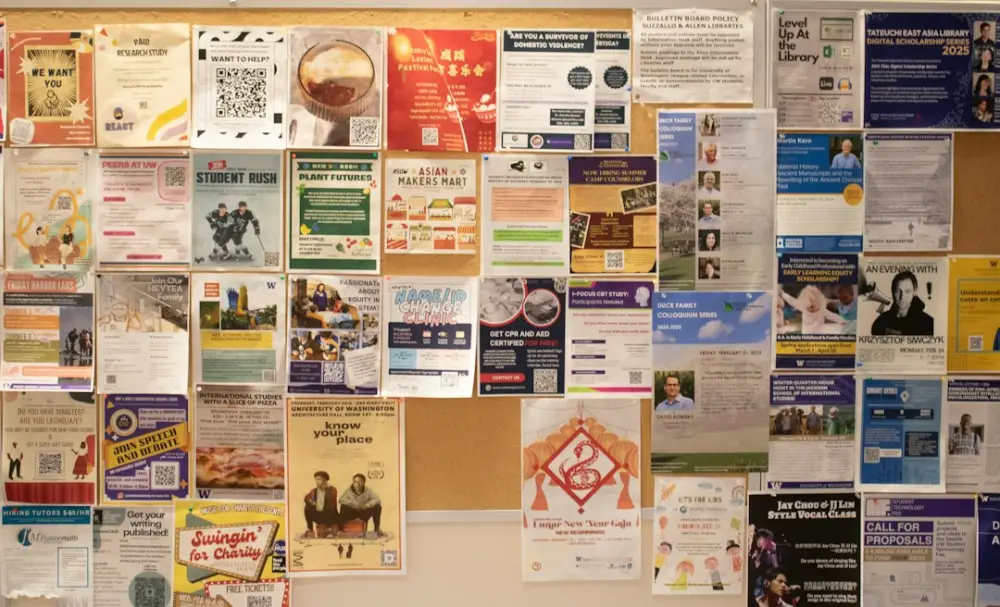
Job board newsletters are curated emails sent regularly to subscribers, featuring hand-picked job openings, industry news, and career advice. Unlike generic job search engines, these newsletters filter opportunities by niche, seniority, or location, delivering high-quality leads directly to your inbox to streamline the application process and uncover less competitive roles.
By shifting the burden of discovery from the candidate to the curator, these emails reduce the decision fatigue that often accompanies a career transition. Instead of scrolling through thousands of unfiltered listings on a massive aggregator, you receive a refined list that aligns with your specific professional identity and goals.
How Newsletters Simplify the Modern Search
The traditional job search often feels like a full-time job in itself. In 2026, the volume of digital noise makes it difficult to distinguish between a legitimate opening and a "ghost job"—a listing kept active by a company with no immediate intention to hire. Job board newsletters solve this by acting as a first-pass filter. When an editor selects a role to feature, they are effectively vouching for its relevance and current status.
This "push" model of information delivery changes your daily routine. Rather than setting aside three hours on a Tuesday night to refresh multiple tabs, you might spend fifteen minutes every morning reviewing a single, high-quality email. For example, a developer might subscribe to a specific language-based newsletter, such as one focused exclusively on Rust or Python roles, ensuring that every link clicked is actually worth their time. This efficiency is why the power of clear explanations in a job description is so valuable; a good newsletter editor will often summarize why a role is unique before you even click through to the application page.
The Benefits of Curation Over Traditional Boards
Traditional job boards rely on volume. Their business model often depends on the number of listings they host, which can lead to a quantity-over-quality problem. Curation-based newsletters operate on the opposite principle: their value lies in what they leave out. By excluding entry-level roles from a senior-level newsletter, or removing companies with poor glass-door ratings, curators save you from the "black hole" of automated applicant tracking systems.
There is also a psychological benefit to human-led curation. Just as we still love getting book recommendations from someone who knows our tastes, we tend to trust a job lead more when it comes from a trusted industry voice. For instance, a newsletter like Climate Draft doesn't just list jobs; it contextualizes them within the broader mission of sustainability. This human touch helps candidates find roles that offer more than just a paycheck, focusing instead on culture and long-term alignment.
Categorizing Newsletters by Industry and Role
To make the most of this medium, it is helpful to categorize your subscriptions based on your specific needs. Not all newsletters are created equal, and over-subscribing can lead to the very inbox clutter you are trying to avoid. Most successful job seekers maintain a balance of three types of newsletters:
- The Industry Specialist: These focus on a single sector, such as Fintech Weekly or The Creative Loft. They are essential for staying informed about who is getting funded and who is hiring.
- The Remote-First Advocate: Newsletters like Remote OK or We Work Remotely are tailored for those who prioritize location independence. They often include specific details on time-zone requirements that larger boards miss.
- The Local Curator: Even in 2026, geography matters for many. Local business journals or city-specific tech newsletters provide leads for companies that may not have the budget to advertise on national platforms.
Frequency also plays a role. Daily newsletters are excellent during an active, urgent search, whereas weekly digests are better suited for "passive" seekers—those who are happy in their current role but remain open to a truly exceptional opportunity.
🖌️ Fresh Newsletters and New Discovery Methods
The landscape of job discovery is shifting toward smaller, more intimate communities. We are seeing a rise in "micro-newsletters" run by individual recruiters or industry influencers who share roles within their private networks. These are often hosted on platforms like Substack or Beehiiv, where the barrier to entry is low but the expertise is high. A recruiter specializing in Series A startups might send a weekly update to only a few hundred people, but the conversion rate for those jobs is significantly higher than a public listing.
Another emerging trend is the use of AI-assisted curation that still maintains a human editor. These tools scan thousands of job descriptions to find those with specific keywords—like "four-day work week" or "equity-heavy"—and then a human editor selects the top five to send out. This hybrid approach ensures that the data is comprehensive but the final selection is sensible. For those looking for something truly different, niche boards like Working Not Working for creatives or Ottotto for tech startups offer a more visual, personality-driven experience than the dry text of old-school boards.
Advanced Newsletter Insights and Market Stats
Understanding the data behind these newsletters can give you a competitive edge. According to recent industry observations, job listings featured in curated newsletters receive roughly 40% fewer total applications than those on major aggregators, but the applicants tend to be more qualified. This is because the "barrier" of subscribing to a niche list acts as a natural filter for intent.
Stats from the Bureau of Labor Statistics (bls.gov) suggest that a significant portion of the "hidden job market" is accessed through networking and specialized channels. In 2026, the "apply-to-interview" ratio is notably higher for candidates coming from newsletter leads. Furthermore, many newsletters now include "salary transparency" tags, a feature that has become a standard expectation. Seeing a salary range in your inbox before you even click a link saves hours of research and prevents the frustration of reaching the final interview stage only to find a compensation mismatch.
Expanding Your Knowledge of Career Topics
A job search shouldn't exist in a vacuum. The best newsletters don't just provide links; they offer professional development. They might include a section on how to handle "AI-interviews" or how to optimize a portfolio for the current year's design trends. By reading these consistently, you are essentially receiving a weekly masterclass in your industry.
Consider looking for newsletters that offer "career deep dives." These might spend one issue discussing the nuances of negotiating remote stipends and the next explaining how to transition from a contributor role to a management position. This holistic approach ensures that when you do find the right job through a newsletter, you are actually prepared to win the role. Engaging with related topics like personal branding, digital networking, and continuous learning turns the job search from a stressful event into a consistent habit of professional growth.
Maximizing Your Professional Potential with Rather Amazing
Finding the right career path is rarely about seeing the most options; it is about seeing the right ones. The shift toward curated job board newsletters reflects a broader desire for human-centered recommendations in a world that often feels dominated by impersonal algorithms. By choosing to receive hand-picked opportunities, you reclaim your time and focus on roles that truly resonate with your skills and values.
At Rather Amazing | Ideas Worth Your Attention, we believe that the best way to navigate a complex world is through clarity and intentionality. Just as we curate ideas that spark curiosity, we encourage you to seek out sources of information that respect your attention. Subscribing to a well-edited job newsletter is a practical step toward a more focused and fulfilling professional life, ensuring that the next big step in your career is one you take with confidence and insight.